UNESCO Heritage for all:
Vena del Gesso Romagnola

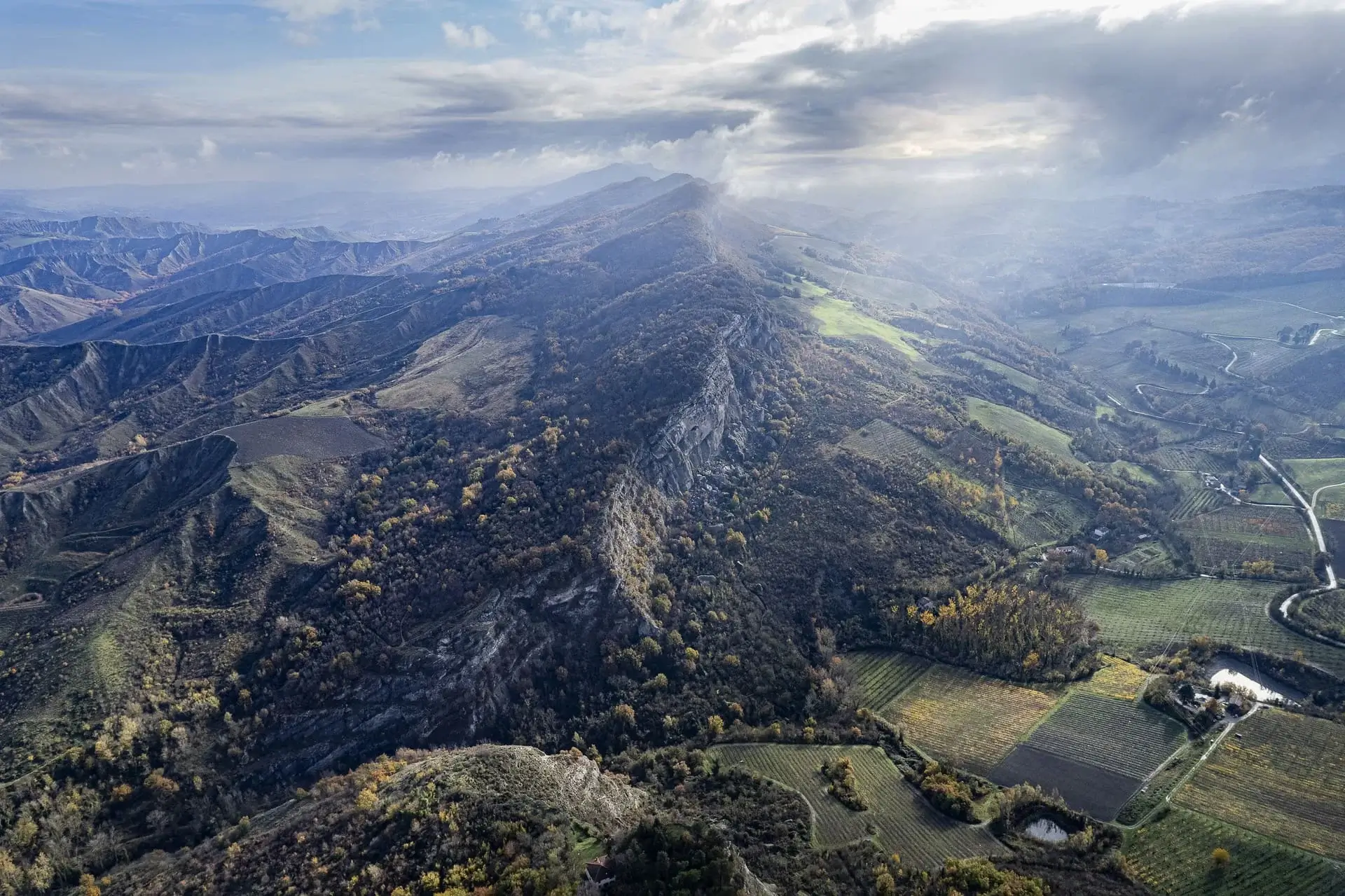
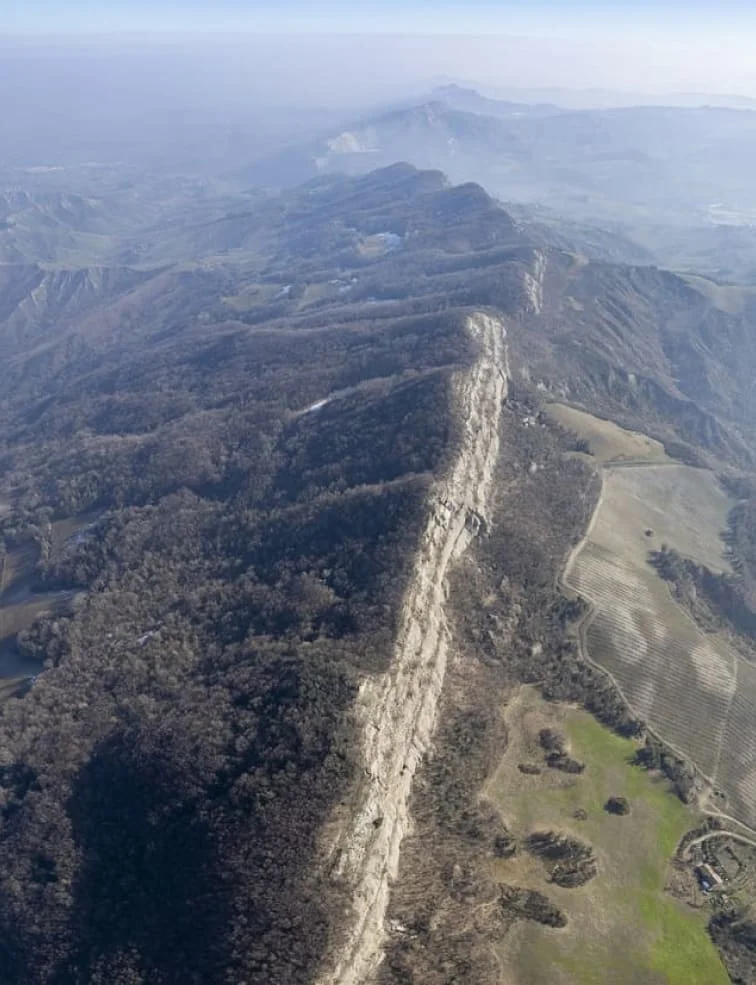
Regional Park Vena del Gesso Romagnola
The company is immersed in the naturalistic context of the so called Vena del Gesso Romangnola Regional Park and, mixing tradition and innovation, it is committed to take care of the territory, so that nature, in turn, can take care of the crops. This consists not only in the attention paid to cultivation methods, but also of the transmission to others of values such as soil protection, agricultural development based on typical, quality productions linked to food and wine traditions.
The company has believed in technical innovation since the 1950s: from the first irrigation systems of the immediate post-war period, we have reached photovoltaic systems, which since 2010 have been used to reduce the consumption of fossil fuels.
At the end of the seventies Alfredo increasingly took the reins of the company, expanding the agricultural network with new land. First he plants persimmons and kiwis and then renews the apricot variety, keeping a high technical level with drip irrigation and intensive planting.
At the beginning of the nineties, viticulture definitively gave way to fruit growing, also thanks to the purchase of new land.
In 1994, his nephew Stefano joined the company, remaining faithful to the family tradition dedicated to innovation: machines were introduced to process the fruit and cold rooms for its preservation. The first electronic calibrator for processing will be put into operation in 2000.
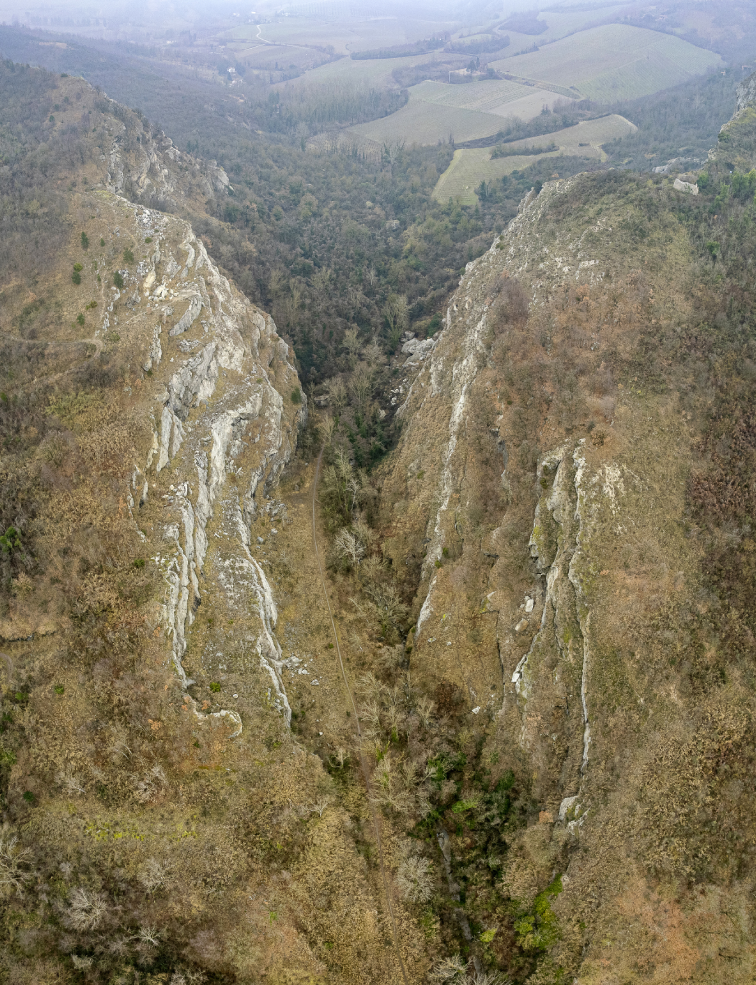
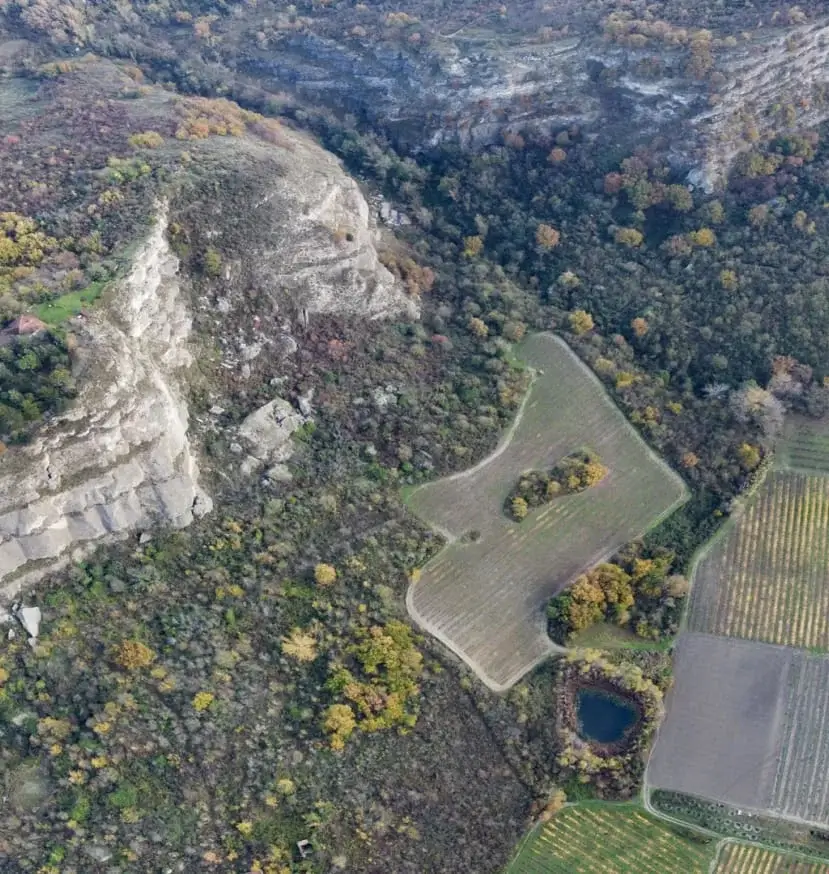
Subsequently, for millions of years, the waters dissolved the blocks of gypsum (which is a soluble mineral), creating caves of more than 40 kilometers and an infinite number of karstic phenomena on the surface.
Caves, ravines, gorges and hollows have become a special habitat for plants and animals that, due to their biodiversity, make these places unique. Places where man settled in the protohistoric era when caves were used as places of burial and worship. Man then definitively occupied Vena del Gesso and with agriculture and livestock gave shape and sustainable development to the area.
UNESCO Heritage
On September 19, 2023, UNESCO granted the prestigious recognition to “karst phenomena and caves in the evaporites of the Northern Apennines”, giving global importance to these high-walled and steep calcareous mountains that characterize Imola Apennines with more than 10 square kilometers and Faenza.
6 million years ago, due to the closure of the Strait of Gibraltar and the subsequent evaporation of water, the Mediterranean Sea experienced the so-called “Messian salinity crisis”, causing the concentration of salts, including chalk.

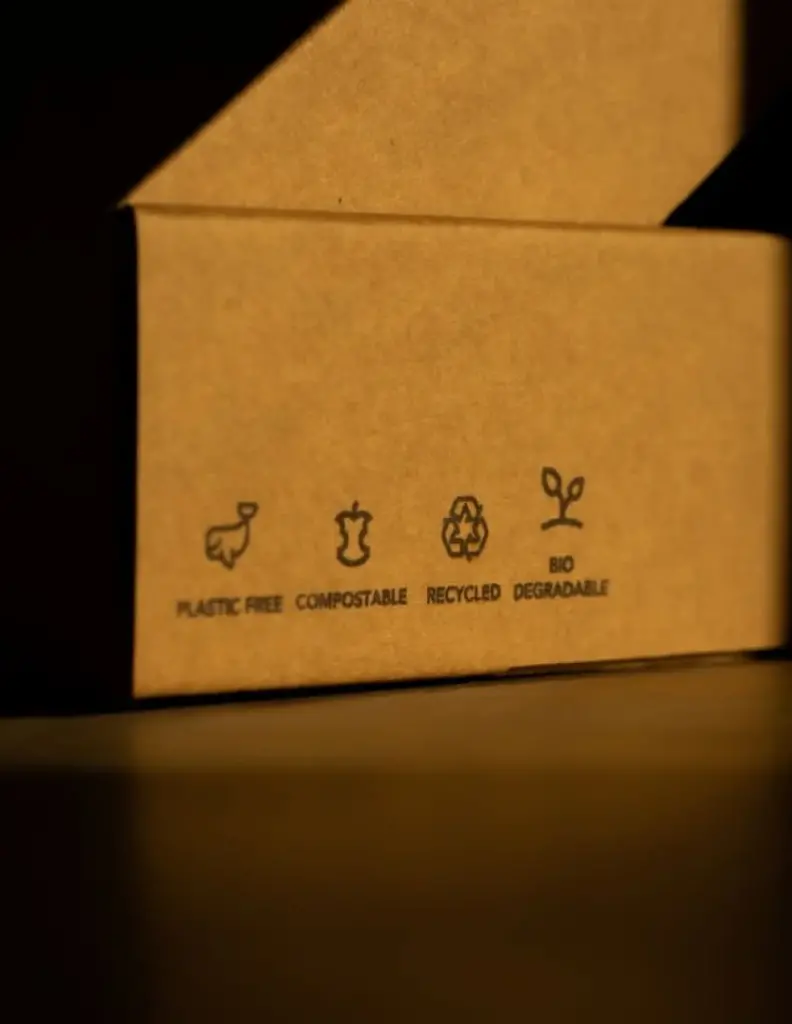
Natural, recyclable…sustainable.
Sustainability is a term often abused today.
In French it is used the word durabilité, which perhaps best conveys the sense of daily action aimed at ensuring the satisfaction of our needs without compromising the possibility of future generations to realize them.
This is the reason why we work every day taking care of the territory and creating job opportunities for ourselves, our collaborators, our families and the whole community.